Nick Daniels | Oct 14 2026 13:00
Before cooler weather arrives in Southern California, a little HVAC maintenance can help your home or business stay comfortable, efficient, and dependable. A fall tune-up gives you time to identify small issues before they turn into an inconvenient heating repair during the first cold stretch of the season.
At Daniel’s Heating & Air Conditioning, we recommend scheduling preventative HVAC maintenance before winter demand picks up. This checklist can help Inland Empire homeowners, property managers, and business owners prepare their heating systems for the months ahead.
1. Replace or Clean Your Air Filter
Your air filter is one of the simplest and most important parts of your system to maintain. A clogged filter restricts airflow, makes your furnace or heat pump work harder, and can reduce indoor air quality. It may also contribute to uneven temperatures, higher utility bills, and unnecessary wear on equipment.
Check the filter monthly during periods of regular use. Most standard filters should be replaced every one to three months, while reusable filters should be cleaned according to the manufacturer’s instructions. Homes with pets, allergy concerns, construction dust, or frequent system use may need more frequent filter changes.
If you are not sure which filter is right for your system, Daniel’s Heating & Air Conditioning can help you choose an option that balances airflow, filtration, and equipment protection.
2. Test Your Thermostat Before Cold Weather Arrives
Do not wait for the first chilly evening to discover that your heating system is not responding. Switch your thermostat to heat mode, set it a few degrees above the current indoor temperature, and listen for the system to start. Within several minutes, warm air should begin moving through the vents.
If the system does not start, cycles on and off repeatedly, blows cool air, or makes unusual noises, schedule professional service promptly. A thermostat issue may be simple, but it can also point to a larger concern with the furnace, heat pump, electrical components, or airflow.
This is also a good time to review your thermostat schedule. A programmable or smart thermostat can help reduce energy use by adjusting temperatures when your home or building is empty, while still keeping occupants comfortable when they return.
3. Clear Vents, Registers, and Outdoor Equipment
Walk through your property and make sure supply vents and return grilles are open and unobstructed. Furniture, rugs, boxes, curtains, and other items can block airflow and force your HVAC system to work harder than necessary. Clear airflow supports more even heating throughout the building and helps reduce strain on the equipment.
If your system includes an outdoor heat pump or air conditioning unit, inspect the surrounding area as well. Remove leaves, branches, dirt, and stored items from around the unit. Keep a clear space around it so it can operate properly and so a technician can access it easily during a maintenance visit or emergency HVAC repair.
For commercial HVAC systems, property managers should also check rooftop and exterior equipment areas for debris, access issues, and visible damage before seasonal use increases.
4. Check for Warning Signs of Heating Problems
Your system may be signaling that it needs attention even if it is still producing heat. Watch for inconsistent temperatures between rooms, a sudden increase in energy costs, musty or burning odors that do not fade, loud banging or rattling sounds, or a system that runs longer than usual.
For gas furnaces, pay close attention to any persistent fuel-like odor or concerns about carbon monoxide. Make sure carbon monoxide detectors are installed in appropriate areas and have fresh batteries. If you suspect a gas leak or carbon monoxide issue, leave the area and contact the appropriate emergency services or utility provider before arranging HVAC service.
Fast action can often prevent a minor repair from becoming a full system breakdown. Daniel’s Heating & Air Conditioning provides honest recommendations and zero-pressure service, so you can understand your options clearly before moving forward.
5. Schedule a Professional Heating Tune-Up
A professional heating tune-up is the most important item on a fall HVAC checklist. During a maintenance visit, a trained technician can inspect critical safety and performance components, verify system operation, check electrical connections, evaluate airflow, and look for signs of wear that may affect reliability.
Regular HVAC maintenance can improve efficiency, extend equipment life, and reduce the likelihood of a surprise repair when temperatures drop. It is especially valuable for older furnaces, heat pumps, ductless HVAC systems, and equipment that has not been serviced within the past year.
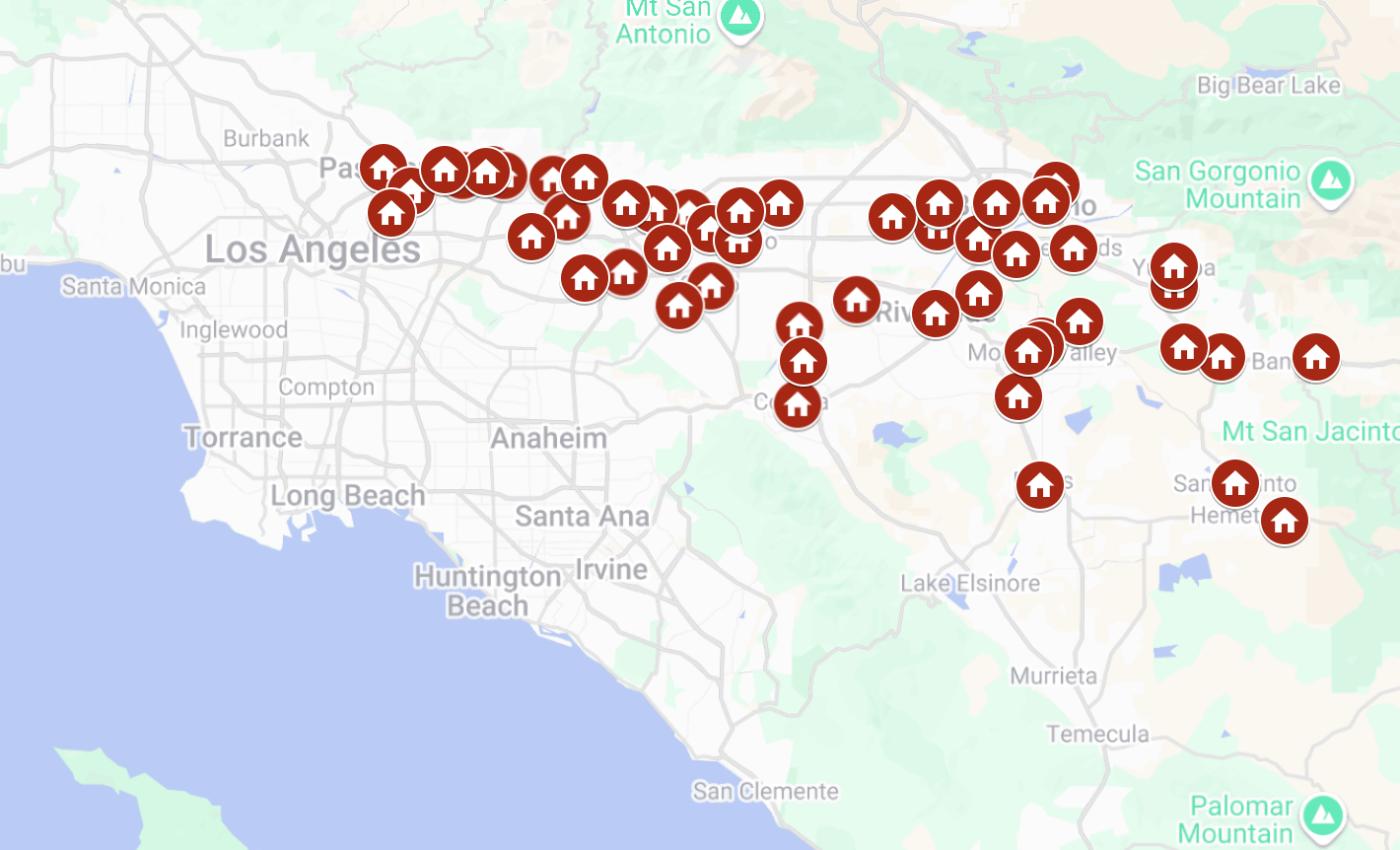
Daniel’s Heating & Air Conditioning has served the Inland Empire and Greater Los Angeles area since 1991. Our team works on residential HVAC and commercial HVAC systems with the same goal: helping customers make practical, informed decisions that support long-term comfort.
6. Consider Indoor Air Quality and Duct Performance
Fall is also a smart time to think beyond temperature control. As doors and windows stay closed more often, indoor air quality can become more important. Dust, allergens, pet dander, and other airborne particles may circulate through your home or business if filtration and ventilation are not properly addressed.
Ask about indoor air quality options such as upgraded filtration, air purification, humidity solutions, and duct evaluations. Leaky or poorly insulated ductwork can waste conditioned air, create hot and cold spots, and reduce overall energy efficiency. An energy efficiency audit can identify opportunities to improve comfort without immediately replacing your entire system.
7. Plan Ahead for Repairs or Replacement
If your heating system is older, unreliable, or increasingly expensive to repair, fall is an ideal time to explore your options. Waiting until a complete failure in winter can limit your choices and create unnecessary stress. Depending on your property and comfort needs, a new furnace installation, heat pump, or ductless mini split system may offer improved efficiency and more consistent heating.
There is no one-size-fits-all solution. The right system depends on your space, existing equipment, energy goals, and budget. Daniel’s Heating & Air Conditioning focuses on precision installations and clear recommendations, helping Southern California customers choose equipment that fits their needs instead of pushing a replacement that is not necessary.
FAQ
When should I schedule fall HVAC maintenance?
Early fall is ideal because it gives you time to address any heating issues before colder weather arrives. However, it is never too late to schedule a tune-up if your system has not been checked recently.
How often does a furnace need maintenance?
Most heating systems benefit from professional maintenance once a year. Annual service helps support safe operation, energy efficiency, and reliable performance.
Why is my heater blowing cool air?
Possible causes include thermostat settings, a dirty air filter, ignition or pilot issues, airflow restrictions, or a heat pump operating concern. A qualified technician can diagnose the cause safely and accurately.
Can HVAC maintenance lower my energy bills?
It can. Clean filters, proper airflow, correctly operating components, and well-maintained equipment all help your system run more efficiently and avoid wasting energy.
What should I do if my heater stops working after hours?
Check your thermostat, filter, circuit breaker, and any visible airflow obstructions first. If the issue continues, contact a qualified provider for emergency HVAC repair, especially if your property is becoming unsafe or uncomfortable.