Nick Daniels | Jun 18 2026 15:00
Heat waves are becoming more common across Southern California, and when temperatures soar, your HVAC system works harder than ever. Preparing your air conditioner before extreme heat arrives helps keep your home comfortable while reducing the risk of unexpected repairs. A few practical steps—improving airflow, clearing the outdoor unit, using smart thermostat settings, and managing indoor heat—can make a noticeable difference in how efficiently your cooling system performs.
This guide covers simple, effective ways to get your HVAC system ready for a heat wave, protect its components, and maintain reliable comfort throughout the hottest days of summer.
Improve Indoor Airflow With Clean HVAC Filters
One of the easiest ways to support your air conditioner during extreme heat is to make sure indoor airflow is not restricted. Your cooling system works by pulling air across coils that remove heat, and when the air can’t move freely, the system has to run longer to reach your preferred temperature.
Dirty HVAC filters are one of the most common reasons for poor airflow. Because your system runs more frequently in summer, filters collect dust and debris much faster than during cooler seasons.
Replacing disposable filters or rinsing reusable ones provides several advantages:
- Promotes smoother, unrestricted airflow throughout your home
- Helps your cooling system maintain stable indoor temperatures
- Reduces strain on motors and other internal parts
- Supports better energy efficiency during long cooling cycles
In short, clean filters give your HVAC system the ventilation it needs to handle extended periods of extreme heat without unnecessary stress.
Clear the Area Around Your Outdoor Condenser
Your outdoor unit is responsible for releasing the heat removed from inside your home. If anything blocks the airflow around this equipment, the heat can’t escape efficiently, forcing your HVAC system to work harder.
As heat waves approach, take a few minutes to check the space surrounding your condenser unit. Items like leaves, grass, garden tools, or overgrown shrubs can block ventilation without you realizing it.
For optimal performance, maintain:
- Two to three feet of open space around the entire perimeter
- Several feet of unobstructed space above the unit
- No landscaping or debris touching any part of the equipment
Even minor obstructions can reduce efficiency during extreme temperatures. A clear outdoor unit allows heat to dissipate quickly, helping your system cool more effectively.
Use Smart Thermostat Habits During Summer
Many people assume that setting the thermostat far lower will cool the home faster, but HVAC systems operate at a steady pace regardless of the number you choose. Lowering the temperature dramatically only forces your system to run longer, not faster.
Instead, choose a comfortable temperature and keep it consistent. Stable thermostat settings minimize equipment stress and maximize energy efficiency.
Helpful thermostat habits include:
- Avoiding big, sudden temperature changes
- Keeping your preferred setting steady throughout the day
- Using programmed schedules when your thermostat offers them
Consistency helps your HVAC system perform more efficiently during prolonged heat waves.
What To Do Once a Heat Wave Arrives
Preparation helps, but when extreme heat sets in, a few smart adjustments inside your home can further protect your air conditioner.
Reduce Indoor Heat Gain
Direct sunlight is one of the fastest ways to warm your home. Closing blinds or curtains during peak daylight hours limits solar heat, lowering the cooling demand on your HVAC system.
Use Ceiling Fans To Improve Air Circulation
Ceiling fans don’t actually cool the air, but they help your system distribute conditioned air more evenly. Better airflow enhances comfort and eases some of the load on your AC during high temperatures.
Limit Activities That Add Heat Indoors
Appliances like ovens, stovetops, and clothes dryers introduce extra heat into your home. Whenever possible, save these tasks for cooler times of day to reduce the workload on your air conditioner.
Keep Interior Doors Open
Leaving interior doors open helps cool air move freely from room to room. This prevents uneven temperatures and allows your HVAC system to maintain comfort more easily.
Schedule Preventive HVAC Maintenance
Routine professional maintenance is one of the best ways to prepare your system for intense heat. While homeowners can handle filter changes and debris removal, a trained technician can identify deeper issues before they lead to breakdowns.
During routine maintenance, HVAC professionals typically:
- Check refrigerant levels
- Inspect electrical components
- Clean condenser coils
- Test thermostat and system controls
- Verify airflow throughout the system
Small issues that go unnoticed during mild weather can become major problems during a heat wave. Maintenance ensures your system is ready for heavy summer use—similar to how regular car service prevents unexpected roadside problems.
Seal Air Leaks To Boost Cooling Efficiency
Your home’s insulation quality plays a major role in how hard your HVAC system has to work. Gaps around windows, doors, attic access panels, or ductwork allow cool air to escape and hot air to enter.
Sealing these leaks helps:
- Maintain comfortable indoor temperatures
- Reduce the amount of energy needed for cooling
- Lower the strain placed on your HVAC equipment
- Improve overall home efficiency
Even small improvements in sealing and insulation can make a noticeable difference during long stretches of extreme heat.
Why Preparing for Heat Waves Matters
Extended heat puts continuous demand on your air conditioner. The longer it runs without breaks, the more stress is placed on its components. Preparing ahead of time helps your system maintain steady performance throughout the hottest days of summer.
By improving airflow, maintaining clear outdoor ventilation, keeping thermostat settings steady, and reducing indoor heat gains, you can help your HVAC system cool your home efficiently while minimizing wear and tear.
Get Ready Before Temperatures Rise
Heat waves often arrive with little warning, so addressing potential issues early is essential. Replace air filters, clear the outdoor unit, and review your thermostat habits before extreme heat settles in.
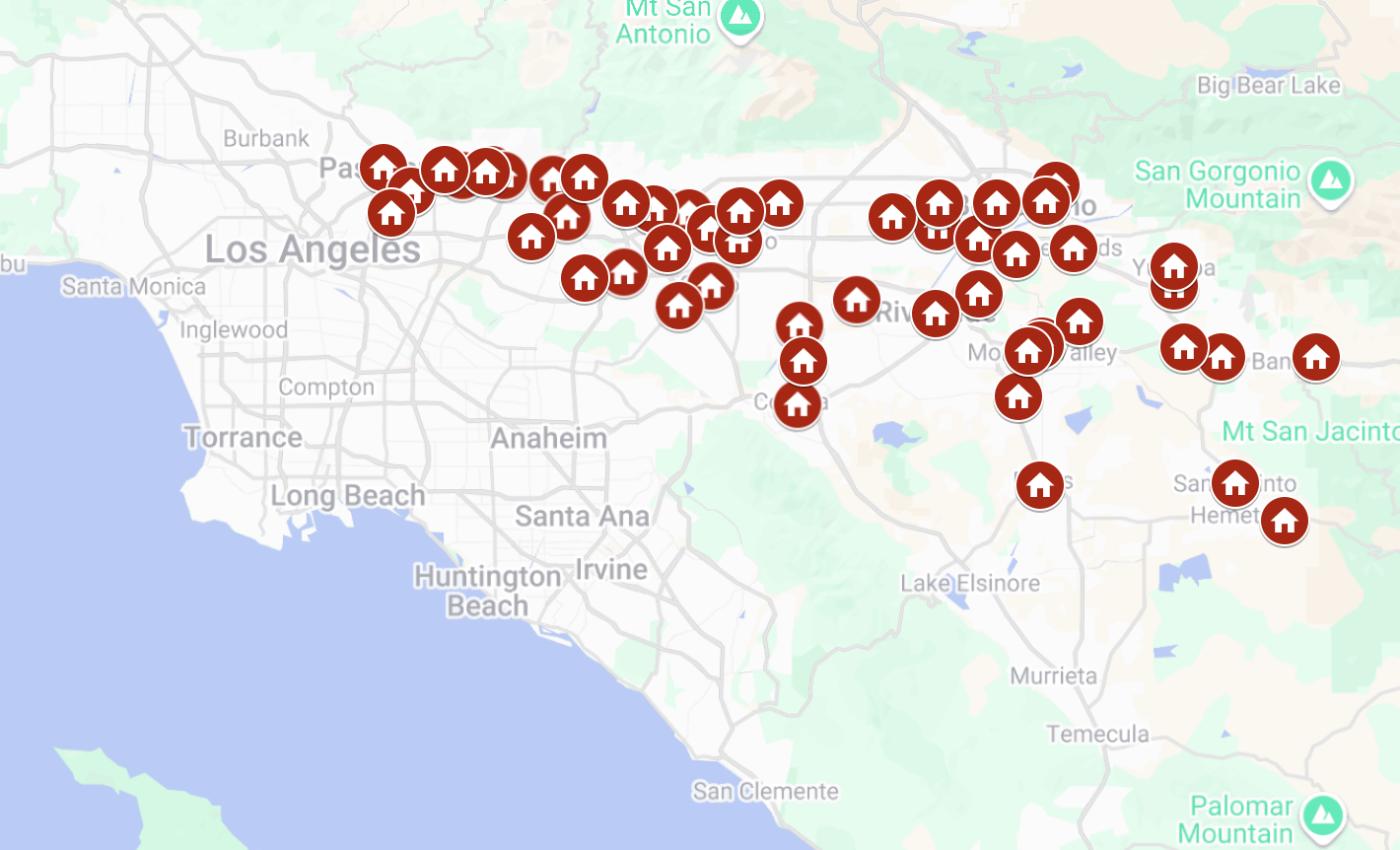
If you want additional peace of mind, scheduling preventive HVAC maintenance ensures your system is prepared for high summer demand. Daniel's Heating & Air Conditioning provides reliable service throughout the Inland Empire and Greater Los Angeles area. For expert HVAC maintenance or help preparing your home for a heat wave, visit www.danielshvac.com or call (888) 523-2643 to book an appointment today.