Nick Daniels | Sep 23 2026 16:30
Wildfire smoke can travel far beyond an active fire zone, bringing tiny airborne particles into homes throughout Southern California. This fall, a well-planned air filtration strategy can help reduce indoor smoke exposure, protect your comfort, and give your family a cleaner place to breathe when outdoor air quality declines.
For homeowners in the Inland Empire and Greater Los Angeles area, the goal is not simply to “turn up the AC.” It is to limit smoky outdoor air from entering, capture fine particles that make it indoors, and keep your heating and cooling system operating safely and efficiently.
Why Wildfire Smoke Is an Indoor Air Quality Concern
Wildfire smoke contains fine particles that are small enough to move through open windows, gaps around doors, and poorly sealed ductwork. Once inside, those particles can linger in the air and settle on surfaces. Even when the sky outside looks clearer, your home may still need time and filtration to clear the air indoors.
That is why indoor air quality becomes especially important during wildfire season. Families with children, older adults, pets, or anyone sensitive to respiratory irritation may notice the effects of smoky air sooner. A proactive approach helps make your home more comfortable when outdoor conditions are unpredictable.
Start With the Right HVAC Filter
Your central HVAC system can be one of your best tools for improving indoor air quality (provided it has the right filter and the system can handle it). During smoke events, high-efficiency filters such as MERV 13 filters can capture more of the fine particles associated with wildfire smoke than basic fiberglass filters.
However, a higher-rated filter is not automatically right for every system. If a filter is too restrictive, it can reduce airflow, strain equipment, and affect heating or cooling performance. Daniel’s Heating & Air Conditioning can evaluate your system and recommend a filter that supports stronger filtration without compromising your equipment.
It is also important to check filters more often during smoky conditions. A filter that is visibly dirty or overloaded cannot perform at its best. Keeping a replacement filter on hand before wildfire season arrives can save you from scrambling when the air quality changes quickly.
Use Your Thermostat Settings Strategically
When outdoor smoke is present, your HVAC settings matter. If your system has a fresh-air intake or ventilation setting, limiting outside-air intake can help reduce the amount of smoke entering your home. Many systems also allow the fan setting to be changed from “Auto” to “On,” which keeps air moving through the filter more consistently.
Continuous fan operation can improve filtration, but it also uses more electricity and may not be appropriate for every situation. If you are unsure which settings are best for your equipment, a trusted HVAC professional can help you create a practical smoke-season plan.
At Daniel’s Heating & Air Conditioning, we encourage homeowners to think about filtration, airflow, comfort, and energy efficiency together. The right settings should support cleaner air while still keeping your home cool during warm Southern California days.
Supplement Whole-Home Filtration With a Portable Air Cleaner
A portable air cleaner can be especially helpful in bedrooms, home offices, nurseries, and other rooms where your family spends the most time. Look for a unit designed for the size of the room and choose one that is intended to reduce particles rather than simply add fragrance or circulate air.
Portable units work best when doors and windows are closed and the cleaner has enough space around it for proper airflow. During a smoke event, placing a portable air cleaner in a frequently used room can create a more comfortable “cleaner air” space for your household.
For California homeowners, it is wise to select an air cleaner that produces little or no ozone. Ozone-generating devices are not a substitute for effective filtration and can create additional indoor air concerns.
Create a Cleaner-Air Room for Your Family
You do not need to transform every room at once. Instead, choose one room that can serve as a cleaner-air space during periods of heavy smoke. A bedroom or living room is often a good choice because it has enough space for family members and can be kept closed off from outdoor air.
Use your HVAC system for whole-home filtration when possible, then add a properly sized portable air cleaner in that designated room. Keep windows and exterior doors closed, avoid burning candles or incense, and postpone activities that add particles indoors, such as frying food, vacuuming, or using aerosol sprays.
This layered approach is often more effective than relying on a single product. Air filtration works best when your home is also limiting the amount of smoke that gets inside in the first place.
Do Not Overlook Ductwork and System Maintenance
Even a quality filter cannot fully solve an indoor air problem if your HVAC system has airflow issues. Leaky ducts, poorly fitted filters, neglected maintenance, and dirty components can all affect how well your system circulates and filters air.
Regular HVAC maintenance helps identify concerns before wildfire season puts added demand on your equipment. A professional tune-up can include checking filter fit, blower performance, duct connections, thermostat operation, and overall system condition. For homes with older equipment, an indoor air quality assessment can help determine whether upgrades such as improved filtration, duct sealing, or a ductless HVAC solution may be beneficial.
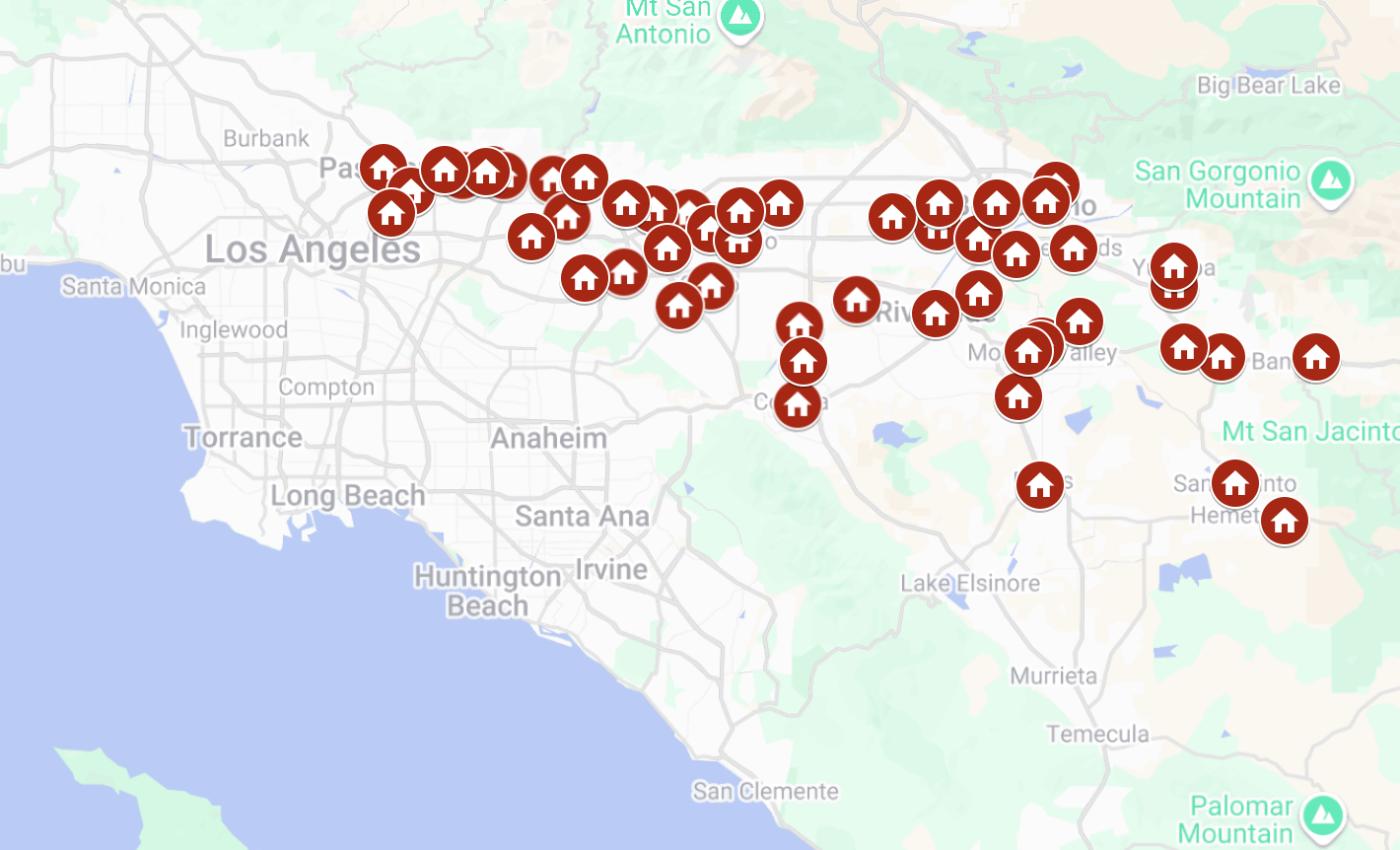
Daniel’s Heating & Air Conditioning has served Loma Linda, the Inland Empire, and Greater Los Angeles since 1991. Our team provides honest recommendations designed around your home, your comfort needs, and the performance of your existing HVAC system.
Prepare Before the Smoke Arrives
The best time to prepare for wildfire smoke is before an air-quality alert appears. Schedule HVAC maintenance, confirm the correct replacement filter size, and keep extra filters available. If you use portable air cleaners, test them ahead of time and make sure they are ready for the rooms where your family will use them.
Wildfire season can be stressful, but cleaner indoor air starts with simple, practical preparation. Daniel’s Heating & Air Conditioning can help you evaluate your current filtration setup and make confident decisions for the fall season ahead.
FAQ
Should I use a MERV 13 filter during wildfire season?
A MERV 13 filter can help capture fine smoke particles, but your HVAC system must be compatible with it. Have an HVAC professional confirm that the filter will not restrict airflow or place unnecessary strain on your equipment.
Should I run my HVAC fan all day when it is smoky outside?
Running the fan continuously can move more indoor air through the filter, but it may increase energy use. The best setting depends on your system, filter, and home, so professional guidance is helpful.
Can an air purifier replace my HVAC filter?
No. A portable air cleaner is a helpful supplement for individual rooms, while your HVAC filter supports whole-home air circulation. Using both together can provide stronger indoor air protection.
How often should I change my air filter during wildfire season?
Check it regularly, especially during extended smoky periods. Replace it when it appears dirty or when your HVAC professional recommends a change based on your system and filter type.
Can Daniel’s Heating & Air Conditioning help improve my indoor air quality?
Yes. Our team can assess your HVAC system, recommend compatible filtration options, address airflow concerns, and help you build an indoor air quality plan for your Southern California home.